We Tasted Our Way Through the Grocery Aisle: 12 Store Brand Pantry Staples That Beat the Big Names
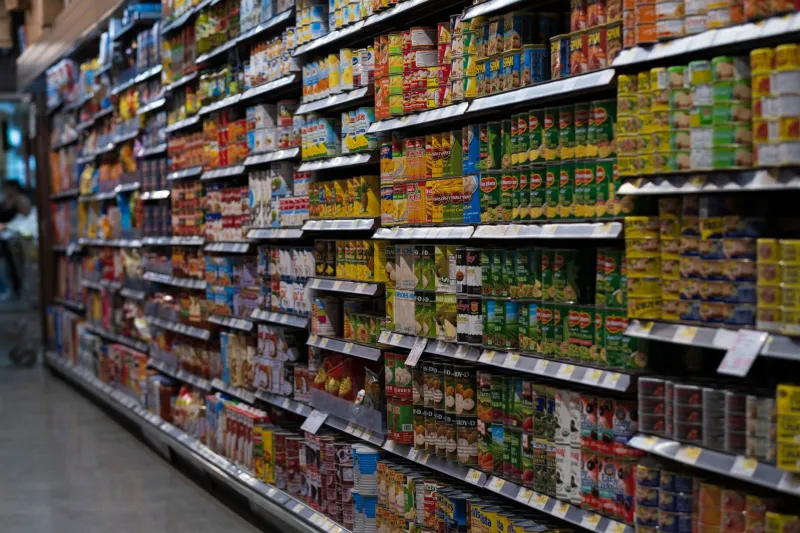
Grocery prices have climbed fast enough that most of us have stared down a name-brand jar and quietly reached for the store brand instead. But does the swap actually cost you in flavor? To find out, we set up a proper blind taste test: 16 pantry staples, store brand versus name brand, side by side, no labels, no bias. Tasters scored each pair on flavor, texture, and whether they'd buy it.
The verdict was lopsided. Store brands took 12 of 16 matchups, often at 30 to 50% less. Here's the breakdown.
Where the Store Brand Wins
1. Canned beans. In a blind chili test, nobody could reliably tell the difference. Rinse them, and any brand becomes any other brand. Save roughly 40%.
2. Rolled oats. Oats are oats. The store-brand canister performed identically in oatmeal, overnight oats, and baking. This might be the single easiest swap in the store.
3. All-purpose flour. Flour is a commodity with tight industry standards. Bakers in our test couldn't pick the name brand out of a lineup of chocolate chip cookies.
4. Granulated sugar. Same story. Sugar is sugar, and the price gap can be dramatic.
5. Pasta. Store-brand penne held its texture just as well as the blue-box stuff in a side-by-side with marinara. The name brand's brand advantage is mostly nostalgia.
6. Canned tomatoes. Our tasters actually preferred one store brand's diced tomatoes — richer and less watery. For sauces and soups, go generic with confidence.
7. Peanut butter (creamy). Natural-style store brands matched the big names almost perfectly. If you're a crunchy loyalist, your mileage may vary.
8. Chicken broth. In a soup test, the store brand won outright — tasters found it more savory. Check the sodium on the label either way.
9. Shredded cheese. Melted into a casserole or quesadilla, the difference vanished. (Note: for a cheese board, that's a different conversation.)
10. Baking soda and baking powder. Chemically identical, wildly different prices. Buy the cheap one and spend the savings on vanilla extract.
11. Frozen vegetables. Flash-frozen at peak ripeness regardless of the label. Our tasters found zero difference in a blind pea test.
12. Vanilla-adjacent baking staples: brown sugar, corn syrup, and cocoa powder. All three store-brand versions performed at parity in our cookie and brownie bakes. Cocoa was the closest call, but the store brand still held up.
Where the Name Brand Still Earns It
13. Mayonnaise. This was our biggest gap. The name brand's tang and richness stood out immediately, and tasters flagged the store version as "flat" and "too sweet." For potato salad, this is not the place to economize.
14. Mac and cheese (the boxed kind). Texture and cheese sauce varied noticeably. If it's a comfort-food night, buy the one you grew up with.
15. Chocolate chips. In straight-from-the-bag and cookie tests, the name brand's chips held their shape better and tasted noticeably better. Baking snobs, rejoice — your brand loyalty is justified.
16. Maple syrup. Real maple syrup is expensive no matter the label, but the store-brand "pancake syrup" is a different product entirely — corn syrup with flavoring. If you want real maple, buy real maple; the store brand's version of the genuine article was thin and forgettable.
The Takeaway
The pattern is clear: the more processed and flavor-driven a product is, the more the name brand matters. Commodity staples — flour, sugar, oats, beans, frozen veg — are basically interchangeable, and the store brand is free money. Signature-flavor items like mayo, syrup, and chocolate are worth the premium.
A rough math check from our own cart: swapping the 12 winning categories to store brands cut our pantry bill by about 22% without changing a single recipe. On a $200 weekly grocery run, that's real money — enough to fund the good maple syrup every week and still come out ahead.