One Purchase, Ten Years: What Happened When I Stopped Buying Cheap Stuff
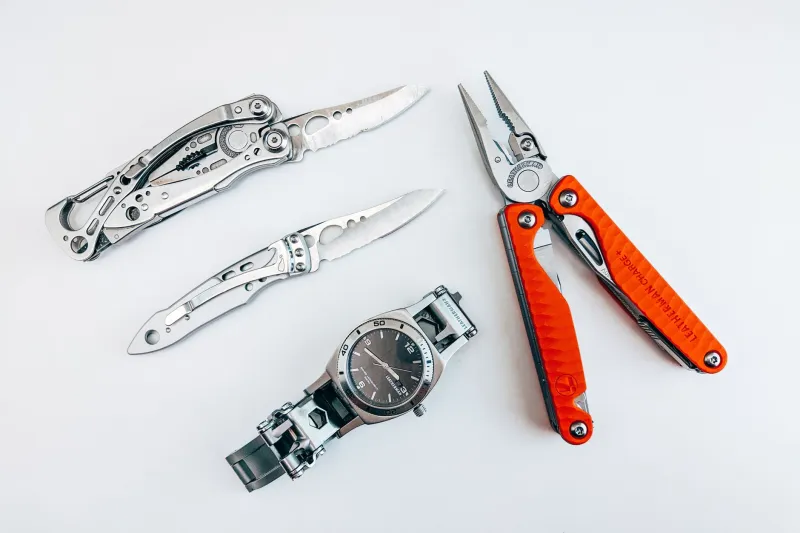
I counted. Before this experiment, my junk drawer held four vegetable peelers. Four! Each one cost around three bucks, each one bent or rusted within a year, and each one got replaced without a second thought. That's the quiet trap of cheap gear: it never feels expensive until you add up a decade of it.
So I gave myself a challenge. For 30 days, I would replace the most frequently replaced items in my life with versions built to last a decade — and track every dollar.
The Rules of My Experiment
Five categories, one item each week, roughly: kitchen tools, socks and underwear, cleaning supplies, phone accessories, and home storage. For every replacement, I calculated the cost per use over ten years and compared it to what I'd been spending on disposables.
The math was humbling. A $12 stainless steel peeler from a brand with a lifetime warranty works out to about a dime a year. My $3 peelers? I was buying a new one every 14 months, which is nearly $26 over a decade — for a worse tool.
Kitchen Tools: Buy the Heavy One
The pattern I noticed across every category: durability usually correlates with weight and metal. Stainless steel over plastic. Cast iron over nonstick coatings that scratch. A $30 cast iron skillet, seasoned and cared for, will outlive me. My previous nonstick pan lasted 20 months before the coating flaked into my eggs.
When shopping, I learned to hunt for two signals: a lifetime or multi-year warranty, and replacement parts being sold separately. Brands that sell you a new lid instead of a new pot are betting you'll still want the pot in 2035.
Socks and Underwear: The Boring Upgrade That Hits Hardest
This is where the savings got almost embarrassing. I was buying budget multi-packs constantly — thin heels, saggy elastic, into the trash within a year. I switched to a small number of heavyweight merino-blend and reinforced-cotton pairs from brands known for durability guarantees. Some advertise a full replacement warranty if they wear out.
Ten years of my old habit: roughly $240 in sock purchases. Ten years of the durable approach: about $110, assuming a few warranty replacements. Fewer laundry loads, less landfill, better feet. Not glamorous, but it's the clearest win of the whole experiment.
Cleaning Supplies: Skip the Refill Economy
Disposable cleaning gear — flimsy spray bottles, mop refills, one-use wipes — is designed to keep you buying. I swapped in a single commercial-grade metal spray bottle, washable microfiber cloths, and a mop with a replaceable head. Upfront cost was around $45. My old wipe-and-refill habit ran about $60 a year. The durable setup pays for itself in under 12 months and then keeps earning.
Phone Accessories and Home Storage: Where Warranties Matter Most
Charging cables were my nemesis. Frayed connectors every six months, sometimes faster. Braided, warranty-backed cables cost triple upfront but have lasted longer than my last three cheap ones combined. Same story with phone cases — the military-grade certified ones genuinely survive drops that killed my $8 specials.
For storage, I replaced a cabinet of mismatched, cracking plastic bins with a smaller set of heavy-duty latching totes and glass containers. Fewer boxes, better stacking, no more mystery lids.
How to Research Durability Before You Buy
Three checks I now run on anything over $20:
- Search the product name plus "broke" or "lasted." Reviews mentioning failure at six months tell you more than five-star unboxings.
- Look up the warranty terms. "Lifetime" sometimes means the product's expected life, not yours — read the fine print.
- Check for repairability. Replacement parts, resoleable construction, rebuildable designs. If it can be fixed, it's built to be kept.
The Verdict
Total spent during the challenge: about $410. Projected ten-year savings versus my old buying habits: north of $700, before counting the time saved not re-shopping for the same junk. But the real payoff is mental — opening a drawer and knowing every tool in it works, and will keep working. That's the whole case for buying it once.