Register for Everything: The Wishlist Trick Wedding Planners Don't Want You Using on Your Grocery Run
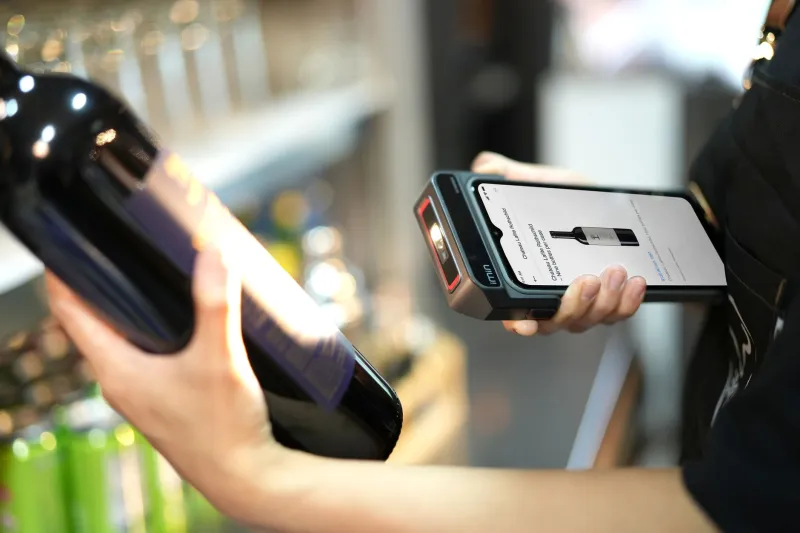
There's a moment every couple knows well: standing in a big-box store, holding the scanner gun, debating whether anyone on earth actually needs a $300 Dutch oven. Then they scan it anyway, because that's the deal with a registry — you commit to nothing until someone buys it, and you've usually held the thing, read about it, or watched a friend's version survive three years of Sunday chili.
That process is why registries have such low regret rates. And it's why my wife and I, two years after our wedding, started asking an uncomfortable question: why don't we shop like this all the time?
What Registries Get Right That Regular Shopping Gets Wrong
Think about how a registry works versus how you bought that air fryer at 11 p.m. on a Tuesday. The registry version involves weeks of consideration, hands-on testing, price comparison across at least two retailers, and a built-in waiting period. The air fryer involved a targeted ad and a pulse that outvoted your prefrontal cortex.
We talked to a handful of recent newlyweds and new parents around the Midwest and Southeast, and the pattern was consistent. "We only put things on there we'd used at somebody's house first," said a couple in Columbus who registered for almost nothing they hadn't touched in person. A new mom in Raleigh told us her registry was basically "a six-month research project with a due date" — she read reviews, checked recall histories on car seats, and waited for completion discounts before pulling the trigger.
Nobody returns registry gifts because nobody impulse-scans a stand mixer. The system is doing the work our brains won't do at checkout.
Build Your Own Registry (For Yourself)
Here's the framework we've been using, and it's embarrassingly simple: maintain a running wishlist for everything over $50, and give every item a 30-day hold before you're allowed to buy it.
Most big retailers make this free. Amazon, Target, Walmart, and Best Buy all have wishlist or save-for-later functions, and a shared Google Sheet works just as well. The rules:
- Add it, don't buy it. The act of adding scratches the itch. Research from the cart-abandonment world suggests most impulse urges fade within days, not hours.
- Write one sentence about why. "Because it's cute" doesn't count. "Replaces the one with the cracked handle I use weekly" does.
- Date-stamp everything. If the item's still on the list in 30 days, it graduates to buyable. Most things don't graduate.
When my list crossed 20 items, I noticed something else registry-like happening: I started researching harder. If I'm going to live with a decision for a month, I want to know it's the right model, the right price, and not something about to be replaced. That's the completion-discount effect — the deadline makes you a better shopper.
The 'Test It at Someone Else's House' Rule
The best registry advice we heard wasn't about products at all. It was about exposure. Couples trust their registries because they've used the items — at a friend's place, at a rental cabin, at a relatives' holiday dinner.
You can replicate this without a scanner gun. Before adding that espresso machine, use one at a friend's. Renting a beach house this summer? Take notes on what kitchen gear actually got used versus what sat in the cabinet. One dad we spoke to bought his baby monitor only after seeing his sister's setup survive a road trip and two grandparents' visits.
It's the difference between wanting an object and wanting your life to have it in it.
When the List Pays You Back
The sneaky upside of a 30-day wishlist is that it becomes a price-watching tool. Retailers cycle sales roughly every four to six weeks on most categories, so a big chunk of wishlist items dip in price before your hold period ends. Pair the list with a price-tracker browser extension and you'll catch drops without checking daily.
In our first three months running the system, we bought 6 of the 22 things we added. The other 16 saved us somewhere north of $900 in stuff we genuinely don't miss. The six we bought? All still in use, zero regret, which is a batting average no 11 p.m. checkout spree has ever matched.
Wedding registries were never really about the gifts. They were about giving people permission to want things slowly. Steal that permission — you don't need to be getting married to shop like it.